Jagannath Rath Yatra 2026: History, Culture and Devotional Significance
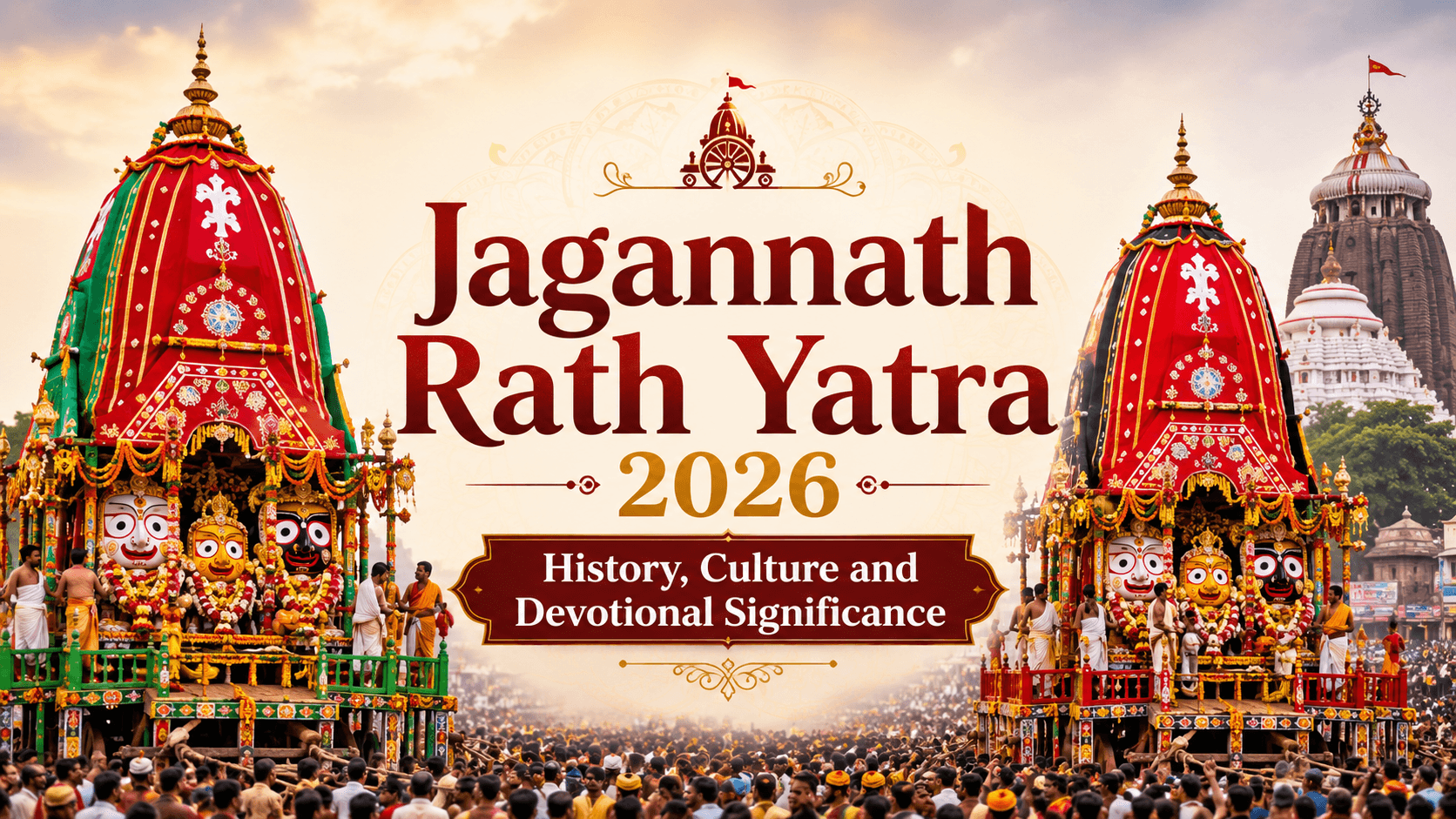
The Jagannath Rath Yatra is one of the most revered and spectacular religious festivals in India. Celebrated annually in Puri, Odisha, this grand chariot festival attracts millions of devotees from across the world. The festival symbolizes the divine journey of Lord Jagannath, Lord Balabhadra, and Goddess Subhadra from the sacred Jagannath Temple to the Gundicha Temple.
In 2026, Jagannath Rath Yatra will commence on 16 July 2026 (Thursday) and continue with various associated rituals until the return journey known as Bahuda Yatra. The event is not merely a religious procession; it is a celebration of faith, equality, culture, and humanity. People from different communities, regions, and even countries come together to witness and participate in this extraordinary spiritual experience.
Important Dates of Jagannath Rath Yatra 2026
- Snana Purnima (Holy Bath Ceremony): 29 June 2026
- Anavasara Period (Rest Period of Deities): Following Snana Purnima
- Jagannath Rath Yatra: 16 July 2026
- Hera Panchami: 20 July 2026
- Suna Besha (Golden Attire Ceremony): 23 July 2026
- Bahuda Yatra (Return Journey): 24 July 2026
- Niladri Bijay (Return to Main Temple): 28 July 2026
The Spiritual Significance of Rath Yatra
Jagannath Rath Yatra carries a profound spiritual message. Unlike regular days when the deities remain inside the temple, during Rath Yatra they come out to bless everyone regardless of caste, creed, nationality, or social status.
The festival signifies:
- Universal brotherhood and equality
- God’s accessibility to all devotees
- Unity among diverse communities
- The journey of the soul towards divine consciousness
- Compassion, devotion, and selfless service
Many devotees believe that merely witnessing the Rath Yatra or touching the ropes of the chariots brings immense spiritual merit and blessings.
The Three Divine Chariots
Every year, three magnificent wooden chariots are newly constructed for the festival.
Nandighosha – Chariot of Lord Jagannath
- Height: Approximately 45 feet
- Wheels: 16
- Dominant Colors: Red and Yellow
Taladhwaja – Chariot of Lord Balabhadra
- Wheels: 14
- Dominant Colors: Red and Green
Darpadalana (Devadalana) – Chariot of Goddess Subhadra
- Wheels: 12
- Dominant Colors: Red and Black
These chariots are built by skilled artisans following centuries-old traditions and sacred specifications.
Major Rituals of Rath Yatra
1. Snana Purnima
The deities are ceremonially bathed with sacred water from 108 pots. After this ritual, they are believed to fall ill and remain away from public view for a fortnight.
2. Anavasara
During this period, the deities rest and undergo symbolic healing rituals.
3. Pahandi Bije
The deities are ceremonially carried out of the temple amid devotional chants, music, and dancing.
4. Chhera Pahanra
The Gajapati King of Puri sweeps the chariots with a golden broom, demonstrating that everyone is equal before the Lord.
5. Rath Yatra Procession
The deities travel approximately 3 kilometers to the Gundicha Temple, accompanied by millions of devotees.
6. Bahuda Yatra
After staying at Gundicha Temple, the deities return to the Jagannath Temple.
7. Suna Besha
The deities are adorned with magnificent gold ornaments, creating one of the most awaited spectacles of the festival.
Why Rath Yatra is Unique
What makes Jagannath Rath Yatra different from many other religious celebrations is its inclusiveness. While entry into the sanctum of the Jagannath Temple is restricted, during Rath Yatra the Lord comes out to meet all devotees.
This beautiful tradition reflects the philosophy that divine blessings are meant for everyone.
The festival also showcases:
- Odisha’s rich cultural heritage
- Traditional music and dance
- Ancient temple architecture
- Community participation
- Volunteer service and charity
Important News and Updates for Rath Yatra 2026
Authorities in Odisha have begun extensive preparations for the 2026 Rath Yatra.
Key Highlights
- Large-scale security arrangements are being implemented to manage the massive influx of devotees.
- Special monsoon preparedness plans have been introduced to minimize weather-related disruptions.
- Large LED screens will be installed across Puri to help devotees view the procession comfortably.
- Enhanced crowd management and traffic control systems are being deployed.
- Additional medical and emergency response teams will remain on standby throughout the festival.
These initiatives aim to ensure a safe, organized, and spiritually enriching experience for all pilgrims.
Travel Tips for Devotees
If you are planning to attend Jagannath Rath Yatra 2026:
- Book accommodation several months in advance.
- Reach viewing areas early in the morning.
- Carry water and essential medicines.
- Wear comfortable clothing suitable for humid weather.
- Follow official safety guidelines and instructions.
- Keep identification documents handy.
- Use designated public transport and parking facilities.
Conclusion
Jagannath Rath Yatra 2026 is much more than a religious festival. It is a living symbol of devotion, cultural richness, inclusiveness, and spiritual unity. Every year, millions gather in Puri to witness the divine procession of Lord Jagannath, creating an atmosphere filled with faith, joy, and devotion.
As the sacred chariots roll through the Grand Road of Puri on 16 July 2026, they carry a timeless message that continues to inspire humanity: unity, equality, and unwavering devotion to the divine.
Jai Jagannath!
Recommended Products